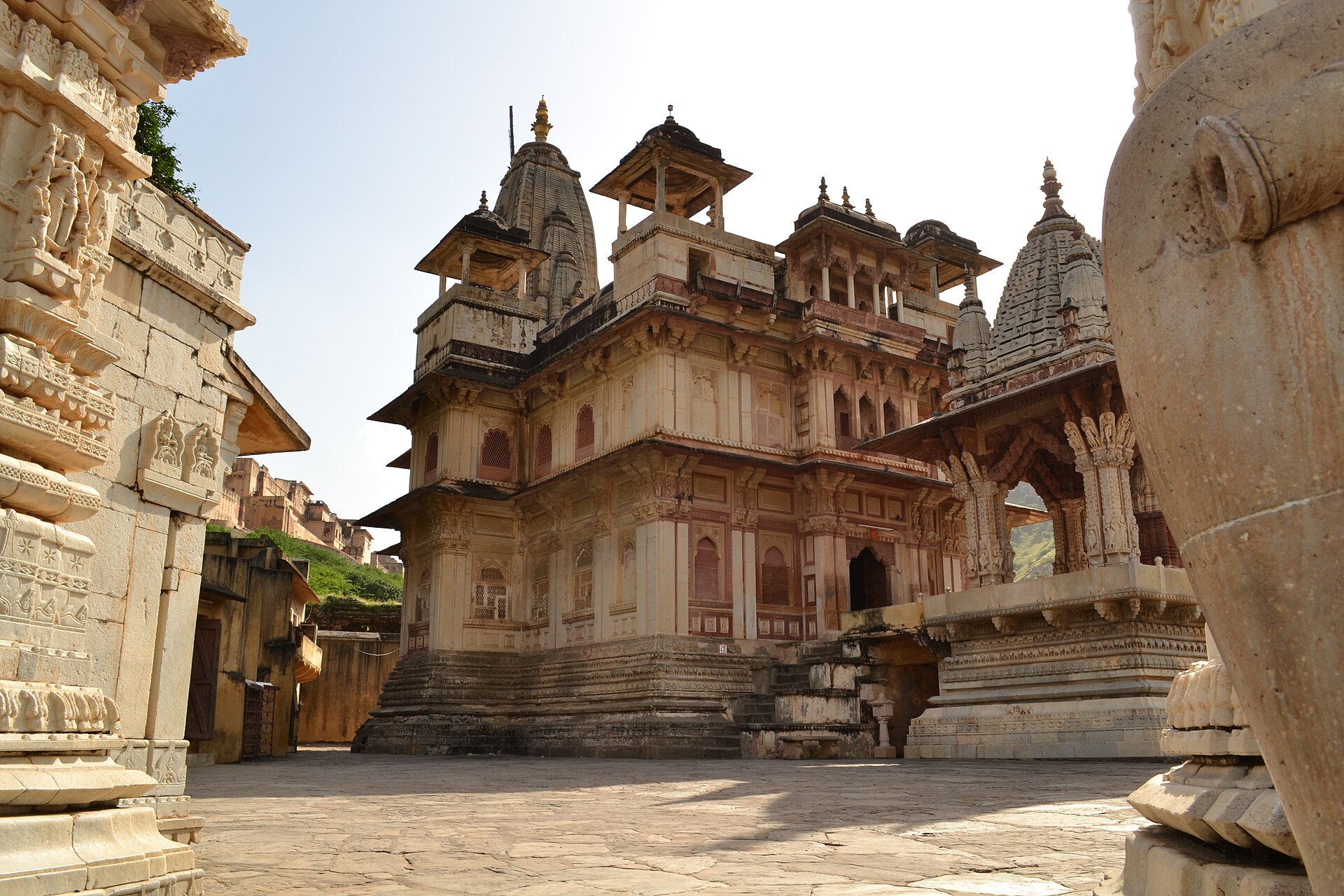

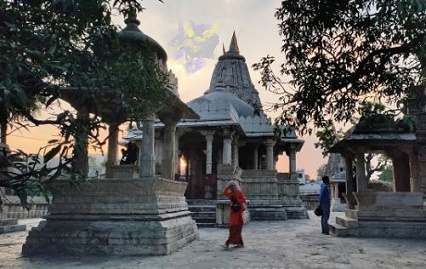
Located near the ancient silver and zinc mining town of Jawar (about 35 km south of Udaipur, Rajasthan), the Jawar Vishnu Temple (also known as the Ramaswamy Temple) is a 15th-century architectural jewel.
1. Patronage and History
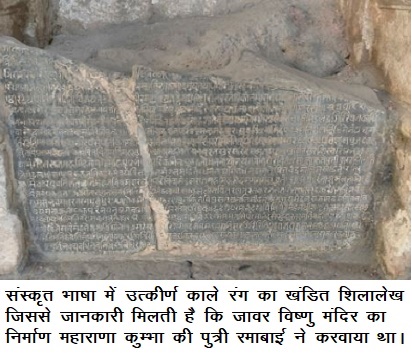
- Commissioned by Ramabai: The temple was constructed during the 15th century by Princess Ramabai, the daughter of the legendary Mewar ruler Maharana Kumbha.
- Artistic Heritage: Ramabai, like her father, was a great patron of arts, music, and architecture. Her legacy is closely tied to the prosperity of Jawar during Mewar’s golden age of mining and trade.
- Master Architect: Historical inscriptions credit the sculptor/architect Ishwar for designing and constructing the shrine.
2. Architectural Features
- Panchayatana Style: The temple is built in the traditional Panchayatana layout, featuring a central main sanctum surrounded by four smaller subsidiary shrines at the corners of a raised plinth.
- Nagara Architecture: The structure displays late medieval Mewari Nagara-style architecture, complete with an ornate mandapa (pillared hall) and a detailed shikhara (spire).
- Proximity to Ramakund: The shrine stands near Ramakund, a sacred stepwell/water reservoir built during the same era as part of the royal complex.
3. Cultural & Historical Context
- Part of the “Kashi of Mewar”: During the 15th to 17th centuries, Jawar was a booming commercial and religious hub owing to its zinc and silver mines. Local traditions state the area housed over 200 Hindu and Jain temples, earning it the moniker Mewar’s Kashi.
- Nearby Heritage Sites: The Vishnu Temple is located near other historical landmarks of Jawar, including the famous Jawar Mata Temple (a 10th/11th-century Shaktipeeth) and ancient zinc smelting sites recognized as global metallurgical heritage.